James Reese Europe

The Bandleader Who Took Harlem's Sound to the World

Category

The Story

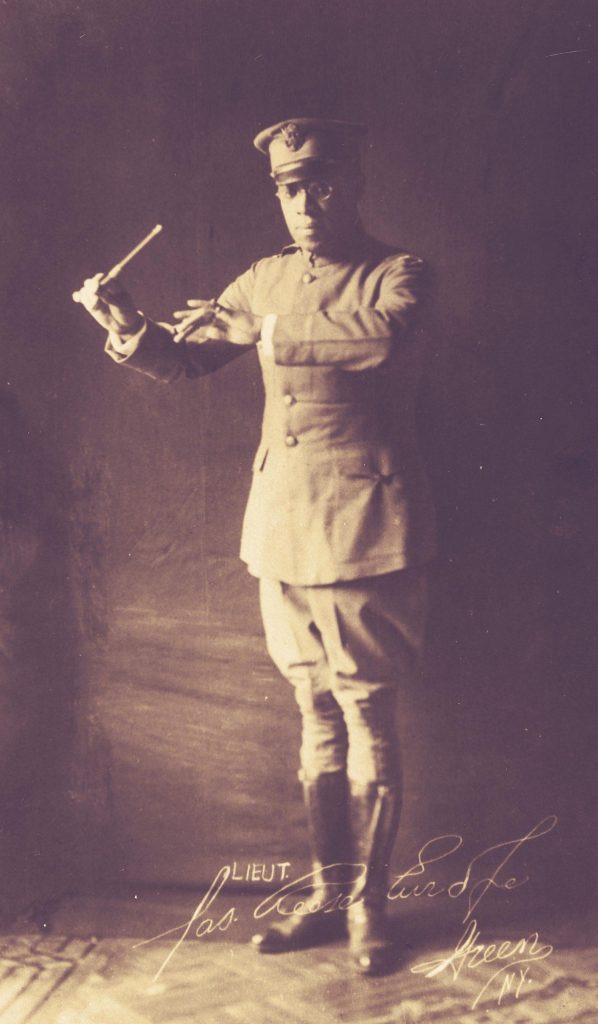
James Reese Europe (1881–1919) was an acclaimed composer, conductor, and military bandleader whose music helped shape the early development of jazz and introduce it to international audiences. During World War I, he served as the leader of the 369th Infantry Regiment Band, using music to inspire troops, boost morale, and build cultural bridges between America and France.

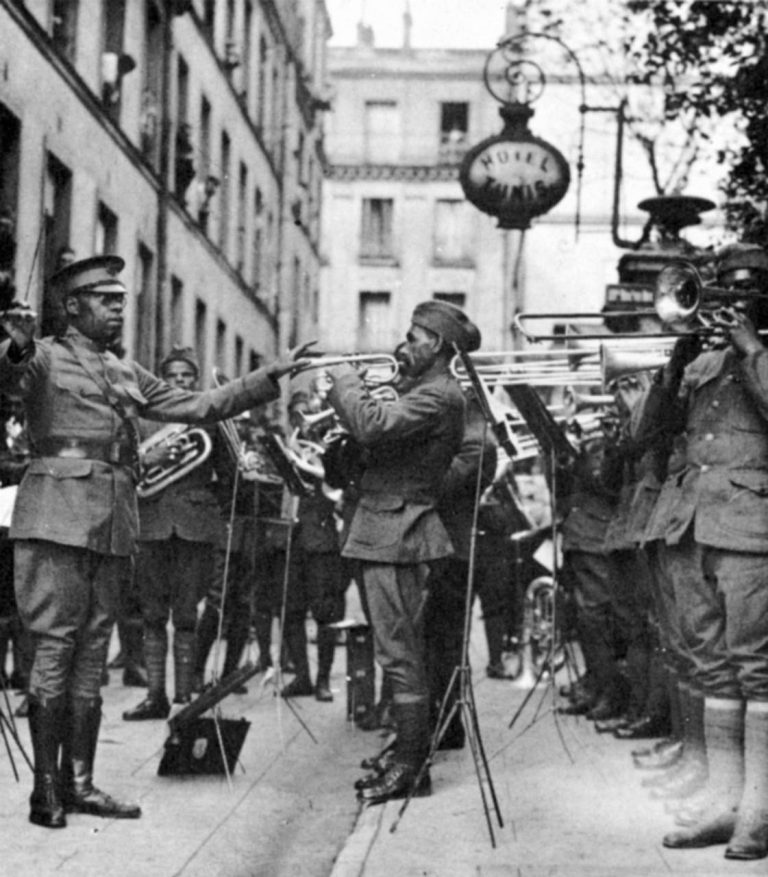
Under Europe’s direction, the Harlem Hellfighters Band became one of the most celebrated military bands of the war. Their performances captivated audiences across Europe and helped establish jazz as a global musical force. While the regiment earned recognition for its military service, James Reese Europe’s leadership ensured that Black musical excellence also became part of their enduring legacy.

Quick Facts

Born
February 22, 1881
Died
May 9, 1919
Known For
Leading the Harlem Hellfighters Band during World War I and introducing early jazz to audiences across Europe while helping shape the future of American music.

Life & Legacy Timeline

1881

Born in Mobile, Alabama.

1904

Moved to New York City, where he established himself as a respected composer and orchestra leader.

1910

Founded the Clef Club, an organization that supported Black musicians and promoted professional opportunities in the music industry.

1917

Commissioned as a lieutenant and appointed director of the 369th Infantry Regiment Band.

1918

Led the Harlem Hellfighters Band across France, introducing audiences to a vibrant new American musical style that would later become known as jazz.

1919

Returned home to national acclaim before his life was tragically cut short later that year.

Legacy

James Reese Europe demonstrated that culture can be as powerful as courage on the battlefield. Through music, he challenged stereotypes, united diverse audiences, and elevated Black artistic excellence on an international stage. His influence extended far beyond World War I. By bringing the sounds of Harlem to Europe, Europe helped pave the way for jazz to become one of America’s greatest cultural contributions to the world. His legacy reminds us that leadership is expressed not only through military service, but also through creativity, vision, and the ability to inspire others.

The 369th Infantry Regiment Band under the direction of James Reese Europe. Their performances introduced audiences across Europe to the music that would become known as jazz, leaving a lasting cultural legacy.

A Quote to Remember

"We won France by playing music that touched the hearts of the people."

Why This Matters

James Reese Europe’s story reminds us that history is shaped not only through acts of war, but also through the power of culture. His music carried the spirit of the Harlem Hellfighters beyond the battlefield, challenging prejudice and introducing audiences to a new sound that would forever change the course of music. By remembering James Reese Europe, we recognize that Black history includes innovators, artists, and leaders whose influence extended far beyond the communities in which they lived. His legacy continues to echo in every generation of musicians inspired by the global language of jazz.

Sources & Further Reading

Library of Congress
Collections documenting James Reese Europe, early jazz, and the Harlem Hellfighters Band.

National Museum of African American History and Culture
Resources on Black musicians, military service, and the cultural impact of the Harlem Hellfighters.

Smithsonian Institution
Articles exploring James Reese Europe’s contributions to American music and military history.

U.S. Army Center of Military History
Historical information on the 369th Infantry Regiment and its famous military band.

National Endowment for the Arts
Educational resources on the history of jazz and the pioneering musicians who shaped the genre.

Continue Exploring

HARLEM HELLFIGHTERS SERIES

The Harlem Hellfighters’ story represents courage, resilience, and service in the face of adversity.

More stories from this series will continue to highlight the individuals whose contributions helped shape history.

Scroll to Top