
BLACK INTELLECTUAL THOUGHT
The Missing Traditions of Black Education, Knowledge & Excellence
Three intellectuals. Three powerful traditions. One enduring legacy of knowledge, education, and Black excellence.
EDUCATION • KNOWLEDGE • EXCELLENCE
Who Gets to Define Knowledge?
For generations, Black scholars, educators, writers, and thinkers have challenged the boundaries placed around knowledge, education, history, and intellectual freedom.
Their work did more than fill gaps in the historical record. They created institutions, developed new ways of understanding the world, defended the right to rigorous education, and insisted that Black people must have the power to tell, preserve, and interpret their own stories.
Anna Julia Cooper, Carter G. Woodson, and Alain Leroy Locke each approached this work from a different direction. Yet together, their ideas reveal a powerful intellectual tradition—one rooted in education, self-determination, cultural knowledge, and the belief that Black excellence is not something to be granted, but something to be cultivated, preserved, and passed forward.
WHY THIS STORY MATTERS
Knowledge Has Always Been a Form of Power
Education has never been simply about learning facts. For Black Americans, access to knowledge has long been connected to freedom, opportunity, self-determination, and the power to shape the future.
Anna Julia Cooper, Carter G. Woodson, and Alain Leroy Locke understood that controlling the story of Black people also meant controlling how Black people were educated, remembered, and understood. Their work challenged systems that minimized Black achievement, excluded Black voices, and treated Black history and intellectual traditions as secondary.
They built something different.
Through teaching, scholarship, writing, history, philosophy, and cultural criticism, they helped create intellectual traditions that affirmed Black humanity, preserved Black knowledge, and challenged future generations to think beyond the limits imposed upon them.
Their work reminds us that Black excellence is not simply about individual achievement. It is also about creating knowledge, preserving it, questioning it, and making sure the generations that follow have access to it.

THE THREE VOICES
Three Thinkers. Three Traditions. One Intellectual Legacy.
Anna Julia Cooper, Carter G. Woodson, and Alain Leroy Locke approached education, history, philosophy, and culture from different perspectives. Together, their work reveals a powerful Black intellectual tradition—one built on the pursuit of knowledge, the preservation of history, and the belief that education can transform individuals and communities.
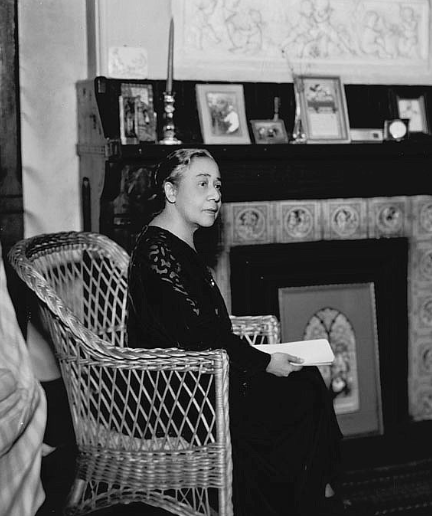
EDUCATOR • SCHOLAR • WRITER
ANNA JULIA COOPER
Education, Black women, and intellectual freedom.
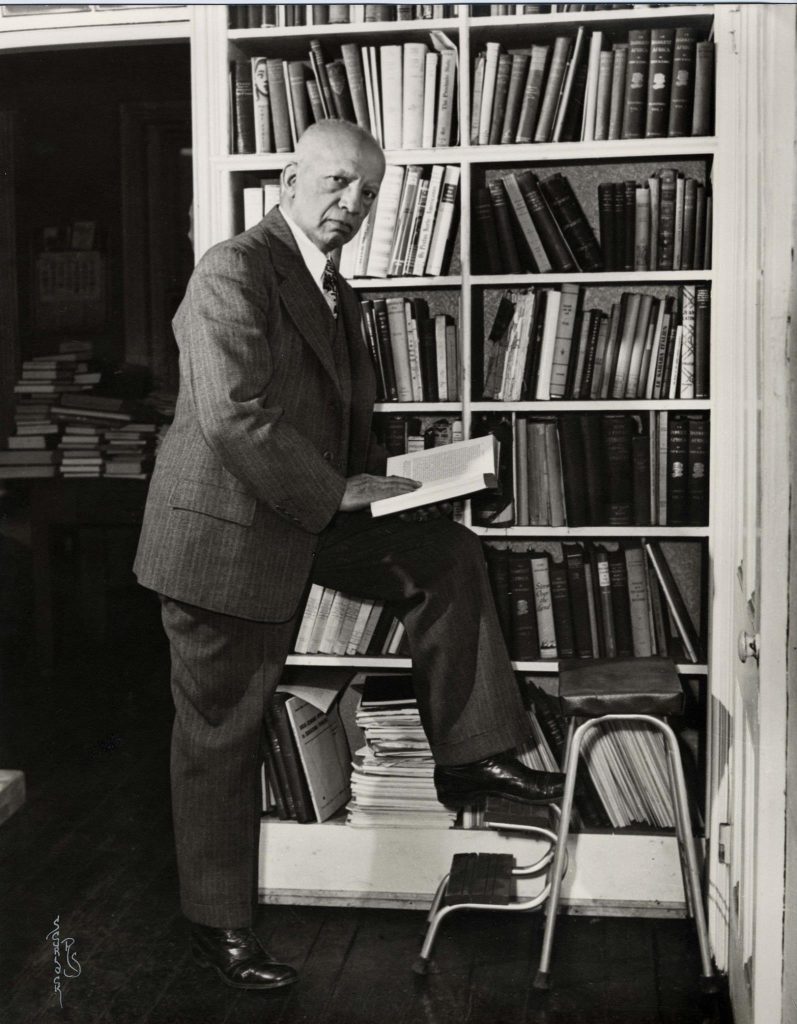
HISTORIAN • EDUCATOR • AUTHOR
Carter G. Woodson
History, education, and the preservation of Black knowledge.
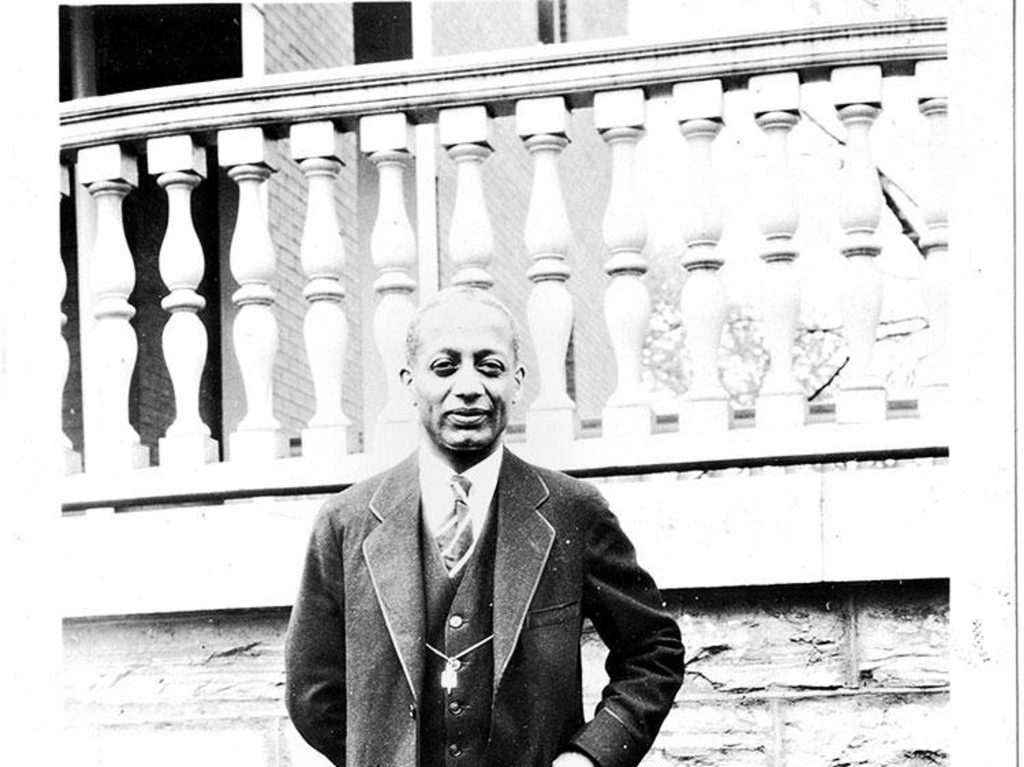
PHILOSOPHER • SCHOLAR • CULTURAL CRITIC
Alain Leroy Locke
Philosophy, culture, and the intellectual foundations of the New Negro.
EDUCATION, KNOWLEDGE & POWER
Knowledge Was a Form of Liberation
Black intellectual thought was never confined to classrooms or universities. It was shaped by the determination to learn, preserve what had been forgotten, and build a tradition of knowledge that could speak to Black life on its own terms.
Education was never simply about entering a classroom. For Black communities, gaining access to education meant claiming the right to think, question, teach, and determine what knowledge mattered.
Anna Julia Cooper understood education as a pathway to freedom and self-determination. Her work challenged the limitations placed on Black women and insisted that their intellectual contributions belonged at the center of the conversation.
.
What happens when a people’s history is left out of the record?
Carter G. Woodson recognized that preserving Black history required more than remembering individual accomplishments. It required building institutions, collecting knowledge, documenting experiences, and creating a scholarly tradition capable of telling Black history on its own terms.
Anna Julia Cooper, Carter G. Woodson, and Alain Leroy Locke approached their work differently, but they shared a larger purpose: to create intellectual space for Black people to define, preserve, and advance their own ideas.
Their work became part of a tradition that continues today through Black scholars, educators, writers, artists, historians, and community knowledge keepers.
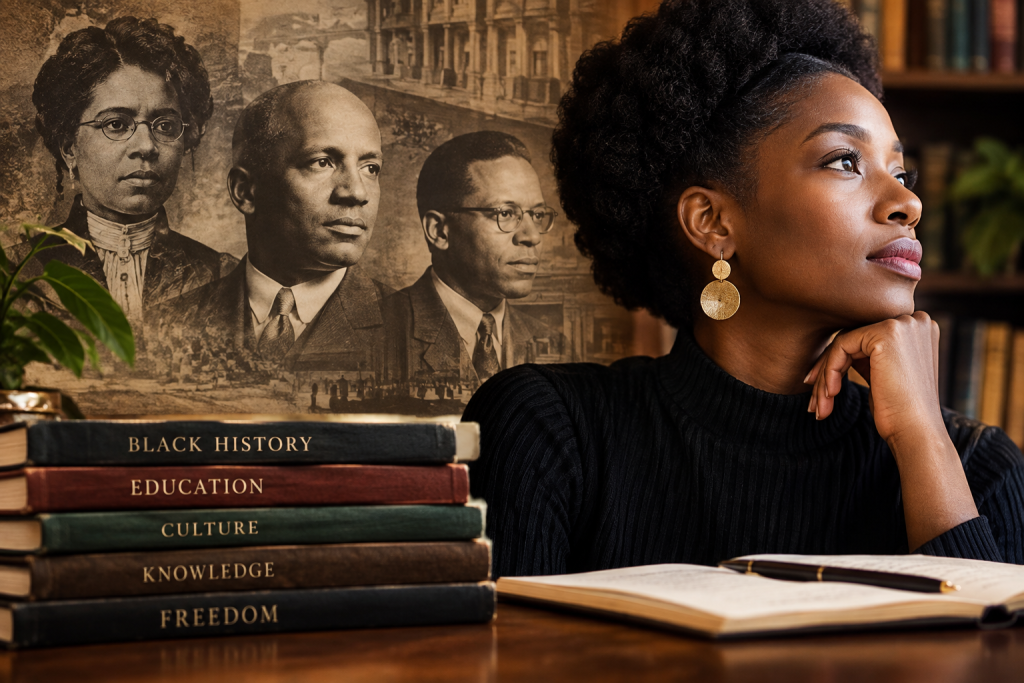
PRESERVING BLACK KNOWLEDGE
Who Tells the Story Matters
When history is written without us, entire generations can disappear from the record. Carter G. Woodson understood that preserving Black history required more than remembering the past—it required creating the scholarship, institutions, and traditions necessary to document it.
He challenged historians and educators to recognize Black people as subjects of history rather than footnotes within someone else’s story. Through his research, writing, and the institutions he helped build, Woodson created space for Black history to be studied, taught, and preserved on its own terms.
His work reminds us that preservation is an act of power. What we choose to document, teach, and pass forward shapes what future generations understand about who we are and what we have contributed.
“If you control a man's thinking you do not have to worry about his actions.”
Carter G. Woodson
BUILDING AN INTELLECTUAL TRADITION
They Didn't Just Enter the Conversation. They Changed It.
Anna Julia Cooper, Carter G. Woodson, and Alain Leroy Locke worked in different disciplines and generations, but each challenged the boundaries of who could create knowledge, whose ideas deserved to be studied, and whose history belonged in the record.
Cooper centered the intellectual authority of Black women. Woodson built institutions dedicated to preserving and teaching Black history. Locke helped establish Black art, culture, and intellectual expression as subjects worthy of serious study and recognition.
Their work became more than individual achievement. Together, it forms part of an intellectual tradition that continues to shape how Black people understand history, culture, education, identity, and possibility.
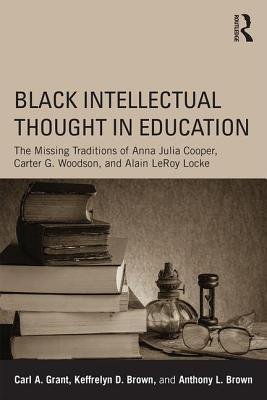
SEPTEMBER 2026 BOOK OF THE MONTH
Continue the Conversation
The story of Black intellectual thought doesn’t end with the people we’ve introduced. This month’s featured book takes a deeper look at the intellectual traditions of Anna Julia Cooper, Carter G. Woodson, and Alain Leroy Locke—and the ways their ideas shaped Black education and scholarship.
This book recovers the intellectual traditions of three pioneering Black thinkers whose contributions to education and scholarship have too often been overlooked. Together, their work reveals a powerful legacy of Black intellectual thought—and a continuing call to rethink whose knowledge gets remembered, taught, and valued.
WHY IT STILL MATTERS
Who Gets to Define Knowledge?
Who gets to decide what is worth remembering? Whose ideas are taught? Whose contributions are preserved? And who gets to define what knowledge looks like?
Anna Julia Cooper, Carter G. Woodson, and Alain Leroy Locke understood that these were never neutral questions. They recognized that knowledge shapes identity, opportunity, and power—and that reclaiming the right to create and preserve knowledge is part of building a future on our own terms.
Their work reminds us that Black intellectual thought is not simply something to study in the past. It is a living tradition—one that continues wherever Black people teach, research, create, question, document, and imagine what comes next.